
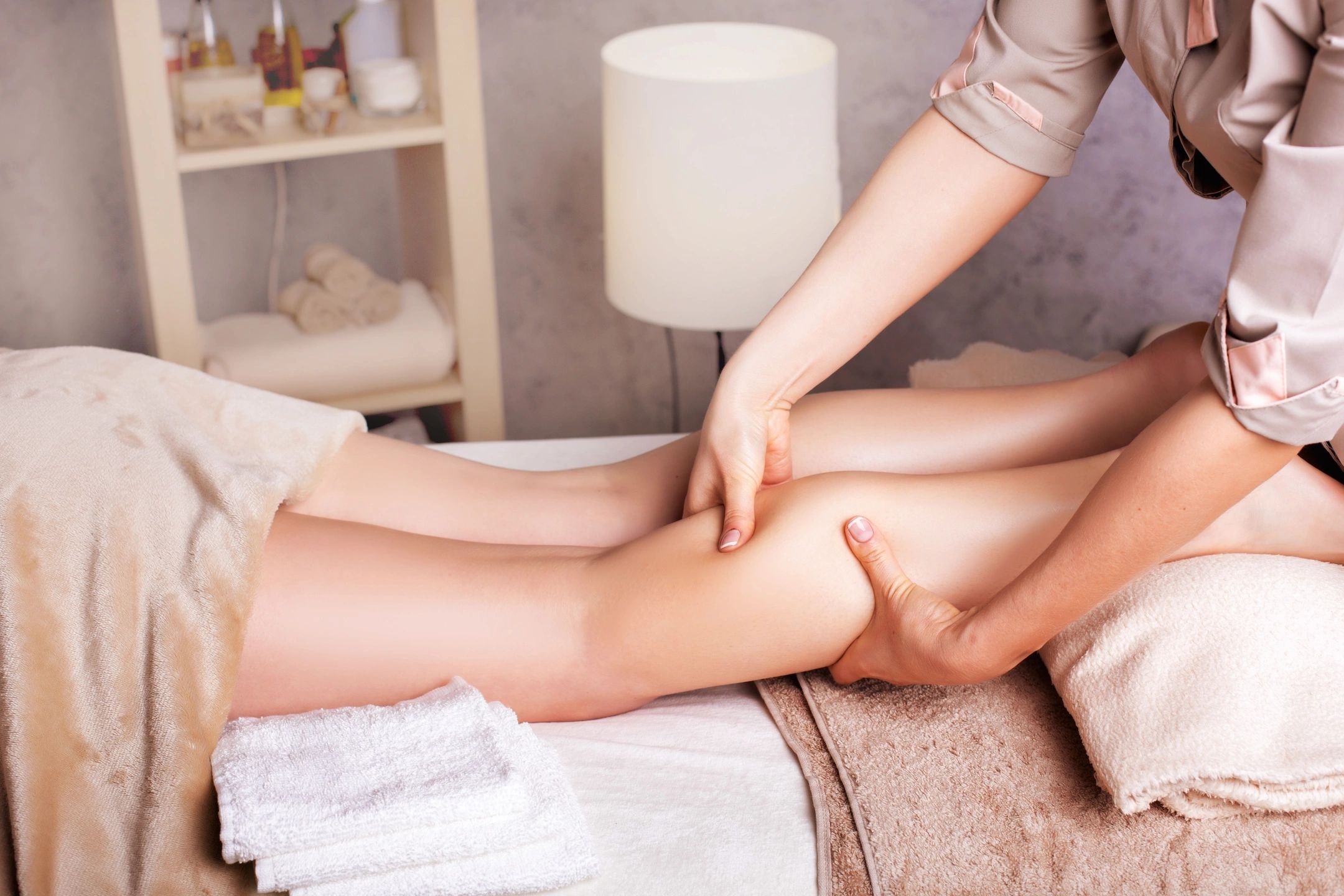
Feeling puffy, heavy or uncomfortable can affect how you feel in your body. Lymphatic drainage massage offers a gentle, personalised approach that may help when swelling is linked to a build-up of lymph fluid.
At Ferocia Health and Fitness, we believe good care starts with understanding your needs. That means taking time to discuss your health, explain the treatment and make sure it is appropriate for you.
What is lymphatic drainage massage?
Lymphatic drainage is a specialised massage technique that uses light, slow, rhythmic movements to encourage lymph fluid to move away from swollen tissues towards areas where it can drain effectively.
Your lymphatic system helps return excess fluid from your tissues to your bloodstream. When drainage is disrupted, fluid can collect in the tissues, causing swelling. Manual lymphatic drainage aims to support the movement of this fluid using carefully controlled techniques.
How may it help?
For suitable clients, lymphatic drainage massage may:
Results vary with the cause of the swelling and your individual circumstances. People with a normally functioning lymphatic system may notice little physical change.
For diagnosed lymphoedema, specialist massage is usually part of a wider care plan that can include compression, exercise and skin care. A lymphoedema service can assess what you need and guide your treatment.
Lymphatic drainage after surgery
Some operations can disrupt lymph drainage and lead to swelling. In selected cases, manual lymphatic drainage may help manage this as part of an agreed recovery plan.
Always obtain your surgical team’s approval before booking post-operative massage. Your operation, wound healing and any complications will influence when treatment is suitable.
Choose a therapist with specific training in post-operative care. Timing, treatment areas and frequency should follow your surgical team’s guidance, alongside their advice on rest, nourishment, movement and any prescribed compression.
What about puffiness after travelling?
If you notice swelling after a long journey, understanding the cause comes first. A consultation can help establish whether massage is appropriate or whether medical assessment is needed.
What should you expect from a session?
Your appointment should begin with a consultation covering your medical history, medication, recent surgery and any areas of concern.
Your therapist should explain the proposed treatment and check your consent and comfort throughout. Expect light, measured movements, with the approach adapted to your needs.
There is no single ideal treatment schedule for everyone. The right approach depends on why you are seeking treatment, whether a medical condition is involved and how you respond.
Is it suitable for everyone?
A health review is essential. Active infection, including cellulitis, and a suspected blood clot are reasons to postpone massage and seek medical care. Heart or kidney conditions can also make treatment unsuitable and require medical advice first.
If you have diagnosed lymphoedema, current cancer treatment or swelling following cancer treatment, speak to your healthcare team about specialist support.
Gentle care, tailored to your needs
At Ferocia, our approach is personal, supportive and centred on helping you feel comfortable and informed.
If you would like to explore lymphatic drainage massage, get in touch to discuss your needs and the next appropriate step.
Find out more at ferociahealthandfitness.com.